
-
×
 Psychiatry Certification Board Review Course 2020 (The Passmachine) (CME VIDEOS)
1 ×
Psychiatry Certification Board Review Course 2020 (The Passmachine) (CME VIDEOS)
1 ×50.00 $33.50 $ -
×
 2020 Top Teachers in Head & Neck, Brain and Spine Imaging
2 ×
2020 Top Teachers in Head & Neck, Brain and Spine Imaging
2 ×40.00 $26.80 $ -
×
 Penn Radiology Comprehensive Neuroradiology: Optimal Care 2019
2 ×
Penn Radiology Comprehensive Neuroradiology: Optimal Care 2019
2 ×40.00 $26.80 $ -
×
 Intensive Update in Pain Management 2019
2 ×
Intensive Update in Pain Management 2019
2 ×30.00 $20.10 $ -
×
 Gulfcoast Advanced Peripheral Nerve Applications : Peripheral Nerves and Focal Neuropathies (Videos+PDFs)
3 ×
Gulfcoast Advanced Peripheral Nerve Applications : Peripheral Nerves and Focal Neuropathies (Videos+PDFs)
3 ×15.00 $10.05 $ -
×
 123sonography – Right Heart MasterClass 2019
1 ×
123sonography – Right Heart MasterClass 2019
1 ×40.00 $26.80 $ -
×
 123sonography MasterClass HEART CHAMBER QUANTIFICATION 2019
2 ×
123sonography MasterClass HEART CHAMBER QUANTIFICATION 2019
2 ×35.00 $23.45 $ -
×
 2020 Neuroradiology in Clinical Practice
3 ×
2020 Neuroradiology in Clinical Practice
3 ×40.00 $26.80 $ -
×
 Osler Neurology 2020 Online Review
1 ×
Osler Neurology 2020 Online Review
1 ×30.00 $20.10 $ -
×
 Comprehensive Review of Neurology 2019
1 ×
Comprehensive Review of Neurology 2019
1 ×10.00 $6.70 $ -
×
 2019 Epilepsy Board Review HOME STUDY course
2 ×
2019 Epilepsy Board Review HOME STUDY course
2 ×40.00 $26.80 $ -
×
 123Sonography Carotid Ultrasound MasterClass
1 ×
123Sonography Carotid Ultrasound MasterClass
1 ×100.00 $67.00 $ -
×
 123sonography Emergency Ultrasound BachelorClass 2019
1 ×
123sonography Emergency Ultrasound BachelorClass 2019
1 ×15.00 $10.05 $ -
×
 Cleveland Clinic Neurology Update OnDemand 2019
1 ×
Cleveland Clinic Neurology Update OnDemand 2019
1 ×30.00 $20.10 $ -
×
 2020 Stroke Imaging and Intervention
2 ×
2020 Stroke Imaging and Intervention
2 ×10.00 $6.70 $ -
×
 EHRA Advanced course on Pacemakers and ICD’s 2018
1 ×
EHRA Advanced course on Pacemakers and ICD’s 2018
1 ×35.00 $23.45 $ -
×
 Sleep Medicine for Non-Specialists Oakstone Specialty Review
1 ×
Sleep Medicine for Non-Specialists Oakstone Specialty Review
1 ×10.00 $6.70 $ -
×
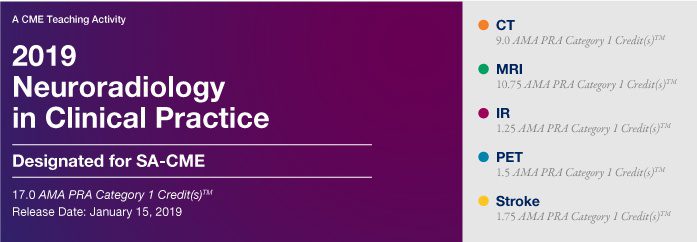 2019 Neuroradiology in Clinical Practice
1 ×
2019 Neuroradiology in Clinical Practice
1 ×30.00 $20.10 $


University of Miami The Aging Brain: Navigating Cognition, Mental Health and Psychopharmacological Treatment 2025
10.00 $
This Product is shared via google drive download link, So please share your correct Gmail id while placing the order .Please note that there are no CME points or certificate associated with this course
Samples for Courses Can be found here : Free Samples Here!
Videos
Overview
Brain health is recognized as an essential part of successful aging. To promote longevity and quality of life, brain functioning across cognitive, socio-emotional, and behavioral domains allows a person to realize their full potential over their lifetime. The prevalence of cognitive disorders is increasing rapidly as people live longer. Reducing the risk of cognitive disorders such as Alzheimer’s Disease and Related Dementias (ADRD) is as essential to the clinician as reducing hypertension and diabetes in reducing cardiovascular disease. This course is designed to educate the practitioners and equip them with essential knowledge and state-of-the-art scientific methods to diagnose Alzheimer’s Disease and Related Dementias (ADRD) at its earliest stages and assist patients and their loved ones. Drawing on the presenters’ vast scientific and clinical expertise, the participants will be able to differentiate different cognitive syndromes and the etiological underpinnings of various clinical presentations. In addition, the participant will be familiarized with state-of-the-art neuropsychological and novel neuroimaging and plasma-based biomarkers methods to detect the earliest stages of Alzheimer’s Disease. This presentation will also provide essential information about emerging pharmacological agents in the treatment and management of Alzheimer’s Disease and Related Dementias, identifying the importance of cultural diversity and the importance of working with family members.
ACCME Objectives
- Differentiate between normal cognitive aging, mild cognitive impairment (MCI), and clinical dementia.
- Debate how to identify the underlying brain disorders causing clinical cognitive impairment in older adults.
- Identify the evidence-based, emerging brain biomarkers in cognitive disorders that help to diagnose at-risk older individuals for Alzheimer’s Disease and Related Dementias (ADRD).
- Identify the role of traditional and novel cognitive neuropsychological testing in early diagnosis of cognitive disorders in older individuals.
- Differentiate Alzheimer’s Disease from non- Alzheimer’s Disease pathology.
- Describe current pharmacological and nonpharmacological approaches to the treatment of Alzheimer’s Disease and Related Dementias (ADRD).
- Identify the emerging and promising agents in the treatment and management of early Alzheimer’s disease (AD).
- Recognize geriatric psychopharmacology and how to optimally treat the more challenging geriatric mental health conditions.
- Describe the promotion of brain health and longevity through evidence-based prevention.
APA Objectives
- Differentiate between normal cognitive aging, mild cognitive impairment (MCI), and clinical dementia.
- Debate how to identify the underlying brain disorders causing clinical cognitive impairment in older adults.
- Identify the evidence-based, emerging brain biomarkers in cognitive disorders that help to diagnose at-risk older individuals for Alzheimer’s Disease and Related Dementias (ADRD).
- Identify the role of traditional and novel cognitive neuropsychological testing in early diagnosis of cognitive disorders in older individuals.
- Differentiate Alzheimer’s Disease from non- Alzheimer’s Disease pathology.
- Describe current pharmacological and nonpharmacological approaches to the treatment of Alzheimer’s Disease and Related Dementias (ADRD).
- Identify the emerging and promising agents in the treatment and management of early Alzheimer’s disease (AD).
- Recognize geriatric psychopharmacology and how to optimally treat the more challenging geriatric mental health conditions.
- Describe the promotion of brain health and longevity through evidence-based prevention.
topics covered
| Sr No | Title | Time |
|---|---|---|
| 1 | Pharmacological Agents for Alzheimer’s Disease, Part 1: Symptomatic Management | 24:28 |
| 2 | Pharmacological Agents for Alzheimer’s Disease, Part 2: Disease Modification | 36:08 |
| 3 | Non-Pharmacological Management of Alzheimer’s and Related Dementias | 27:38 |
| 4 | Pharmacological Management of Agitation & Aggression in Alzheimer’s and Related Dementias | 32:26 |
| 5 | Overview of Common Neurodegenerative Disorders in Older Adults | 44:22 |
| 6 | Cognitive Changes That Occur in Normal Aging | 57:44 |
| 7 | Geriatric Pharmacology: Red Flag Drugs & Best Practices | 33:19 |
| 8 | Geriatric Pharmacology: Depression & Anxiety | 27:48 |
| 9 | Treating the Family Constellation in Geriatric Psychiatry and Dementia | 54:24 |
| 10 | New Breakthroughs in Cognitive Neuropsychological Assessment | 39:49 |
| 11 | Improving Cognition in Older People | 55:27 |
Related products

Gulfcoast Ultrasound Institute
15.00 $

Critical Care / Emergency Medicine
Emergency Neurological Life Support -ENLS Live Lecture Series March-2021
20.00 $