
Harvard Anesthesiology Update 2026 (Videos + PDFs)
150.00 $
The Harvard Anesthesiology Update 2026 program offers a comprehensive and advanced review of modern perioperative medicine. The curriculum covers a broad spectrum of critical topics, including the integration of artificial intelligence in anesthesia, advanced airway management, point-of-care ultrasound, obstetric anesthesia, and innovative multimodal pain strategies, equipping clinicians to enhance patient safety and operational outcomes.
The Comprehensive 2026 Anesthesiology Update Cardiac, Regional, Office-Based, Thoracic, Obstetric, Neuro, And Pediatric
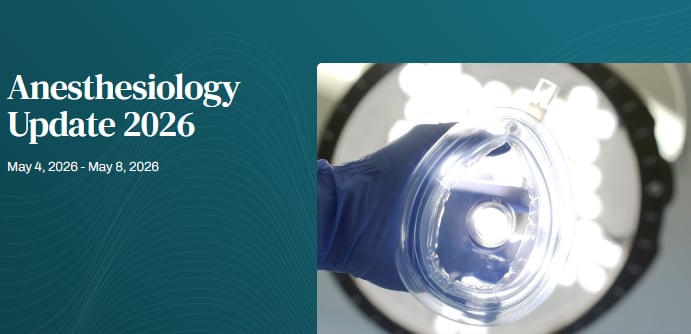
Anesthesiology Update will be held on May 4–8, 2026. You have the option to attend either online as the course is live streamed or in person in Boston, MA.
In the past year, there have been significant clinical changes that affect the practice of anesthesiology. This comprehensive program provides a special and timely opportunity for anesthesiologists, nurse anesthetists, and others with interest in the field to hear directly from world-renowned specialists and master clinicians about these changes.
The curriculum at Anesthesiology Update 2026 ensures that attendees leave with a comprehensive understanding of the latest advances, risk mitigation strategies, and anesthesiology guidelines, and also with specific recommendations to incorporate these updates into practice.
The format is engaging and attendees are encouraged to pose questions of the national and international experts who will be delivering the updates and education at this event.
Updates, Best Practices And New Guidelines Cover:
Hands-on cardiac, gastric and lung ultrasound
Front of neck airway access
High-flow nasal oxygen
Advances in transfusion practices
Artificial intelligence in anesthesia delivery
Brain health: using artificial intelligence to predict neurocognitive disorders
News from the Anesthesia Patient Safety Foundation
High-risk obstetric patients: evidence-based care
Perioperative resuscitation
End-of-life care
Mechanical circulatory support and intracardiac devices
New developments in anesthetic pharmacology: hypnotics and analgesics
Recent advances in airway management
The agony of GLP-1 agonists
Care of the geriatric patient for surgery
Frontiers in quality measurement and improvement
Participants will take away important guidelines and checklists that they can put to immediate use in their anesthesia practice.
Program Highlights
2026 Guidelines, New Innovations, Challenging Cases, and State-of-the-Art Clinical and Patient Safety Updates in the Areas of:
Regional anesthesia
Cardiac anesthesia
Critical care medicine
Ambulatory anesthesia and office-based anesthesia
Pediatric anesthesia
Obstetric anesthesia
Thoracic anesthesia
Perioperative transfusion medicine
Neuroanesthesia
State-of-the-art pain management
Patient safety and risk reduction
Enhanced recovery after surgery
Important Drug Updates
Anesthetic drugs in the development pipeline
GLP-1 agonists
Target-controlled Infusion
New hypnotics
Methadone in clinical care
Learning Objectives
Apply principles for practicing perioperative ultrasound
Diagnose and develop a treatment plan for cerebrovascular emergencies
Recognize best practices in preoperative evaluation and risk assessment
Integrate updated guidelines in practice when managing the difficult airway
Implement current principles for appropriate opioid use and pain management
Interpret the latest evidence-based practices in obstetric anesthesia
Incorporate multimodal general anesthesia and enhanced recovery into clinical practice
Discuss best practices in managing patients with morbid obesity and sleep apnea
Integrate evidence-based protocols when practicing regional anesthesia
Identify new drugs that can be incorporated into anesthesia practice
Related products