
Harvard NeuroRehabilitation 2026 (Videos + PDFs)
90.00 $
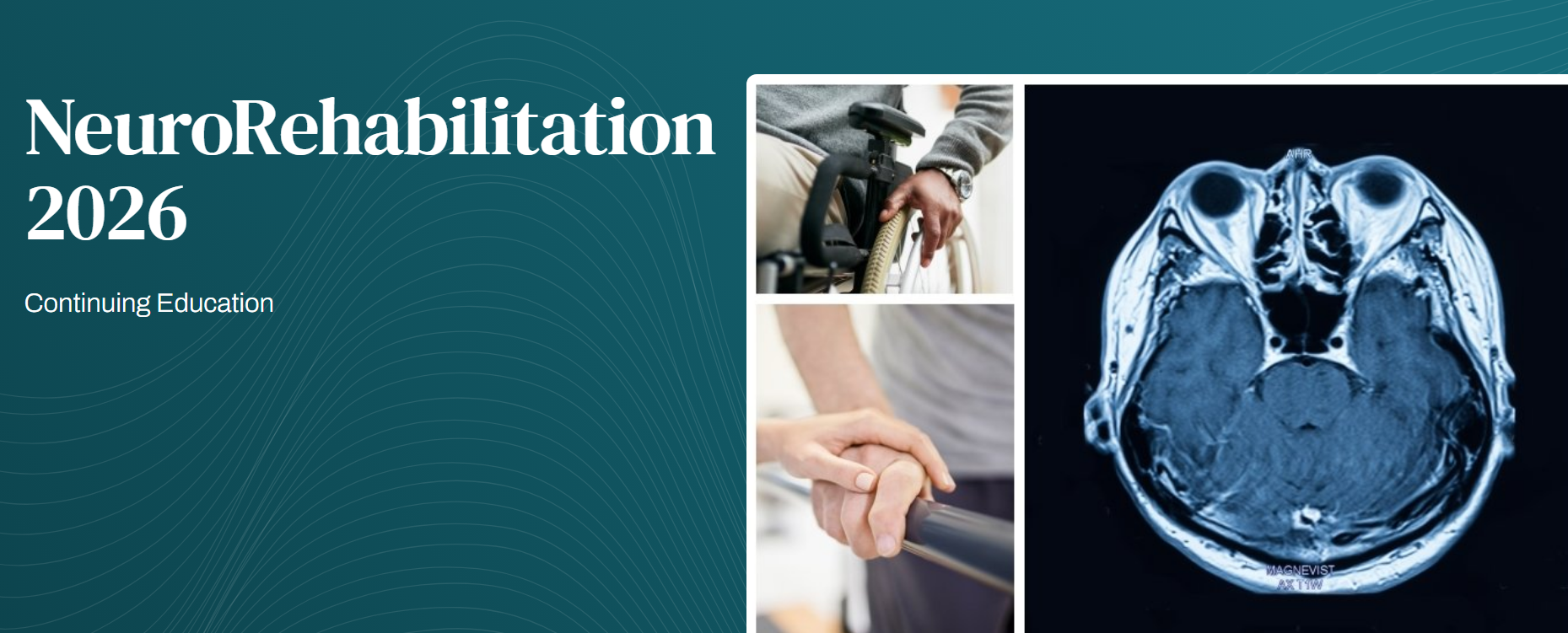
NeuroRehabilitation 2026 is a live online course, using live streaming, electronic Q&A, and other remote learning technologies.
Stay ahead of the rapidly expanding options to help patients with stroke, SCI, TBI, and functional and degenerative neurological diseases.
In this program, some of the country’s most experienced neurorehabilitation experts provide updates and state-of-the-art clinical interventions that improve health, function, and quality of life for patients requiring neurological rehabilitation.
In addition to being live streamed, all sessions and breakouts will be recorded and placed in the online course library, enabling registrants to view them at their convenience. Recordings will be available for viewing for 90 days after the conclusion of the course. All live streaming and recorded sessions and concurrent breakouts are eligible for AMA PRA Category 1 Credits™ and other relevant credits. (Note: Evaluations must be completed within 60 days of the conclusion of the course to receive CME credit.)
2026 Course Highlights
Enhanced and Accelerated Recovery
This program includes important updates, new best practices, and state-of-the-art approaches to enhance and accelerate recovery, including:
Denervation and surgical procedures for spasticity
Pharmacologic approaches to spasticity
Pharmacologic options for aggressive behavior after TBI
Treatment of pituitary disorders after TBI
Insight, awareness, and denial in neurorehabilitation
Cutting-edge treatment of multiple sclerosis
Advances in stroke rehabilitation
Pediatric TBI
Vestibular rehabilitation after TBI
Swallowing and dysphagia management
Improved Quality of Life
This program includes strategies, best practices, and cutting-edge approaches to help foster quality of life:
Vision rehabilitation after stroke
Patient-caregiver dyads in the ICU to prevent chronic emotional distress
Women’s health in SCI
Mild TBI and PTSD in the military
Family and caregiver support
Approaches to obesity in neurorehabilitation
Evolving Treatment Options
This program offers attendees the opportunity to learn about the future of treatment options and how and when they will impact patient outcomes:
Artificial intelligence in neurorehabilitation
Virtual reality treatments
Forced exercise in Parkinson’s disease
Advances in pharmacologic treatment of depression
Advanced technology in the rehabilitation of SCI
Expanded Understanding of a Wide Range of Neurological Conditions
Through this program, Physicians, NPs, PAs, PTs, OTs, SLPs, and Psychologists can deepen their knowledge and optimize clinical decisions concerning the following neurorehabilitation issues:
Advanced neuroimaging of TBI
Recovery and outcome after mild TBI
The CBI-M framework for classifying TBI
ASIA classification of SCI
Functional neurologic disorders and post-concussion symptoms
Chronic traumatic encephalopathy
The cerebellar cognitive affective syndrome
Covert consciousness in TBI
Amyotrophic lateral sclerosis
Autonomic nervous system after TBI
Withdrawal of life-sustaining treatment
Related products